Animated history shorts with millions of views look effortless. They are not random. Before building OPUS we took 20 of them apart sentence by sentence and frame by frame, and the same skeleton showed up again and again.
1. The first sentence is an action, not an introduction
No “Did you know”, no greeting, no context. The video opens on a concrete, slightly absurd action:
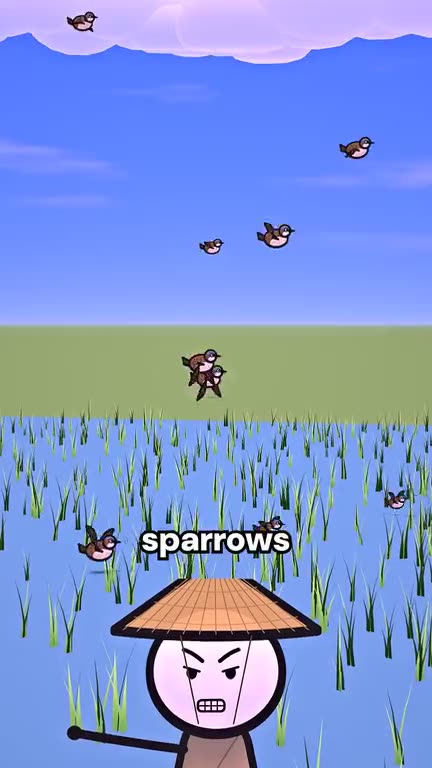
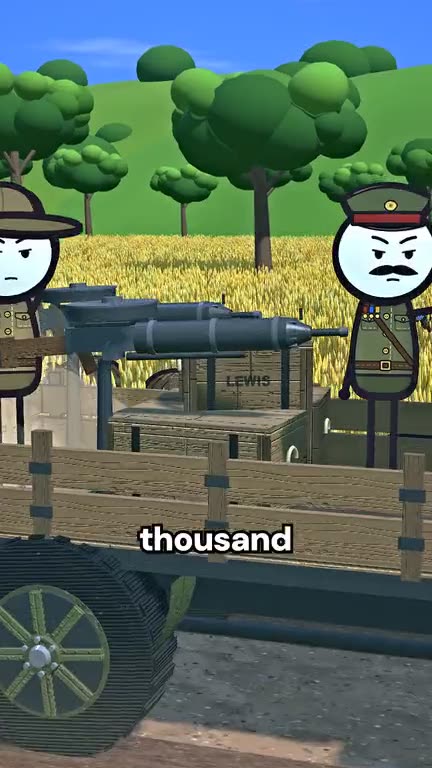
He brought two machine guns to fight a bird, and he lost.
The viewer gets a picture and a question in the same second. That is what stops the thumb.
2. Tension rises in short beats
After the hook, every sentence adds one fact and one image. The sentences are short, told in the third person, in story tense. There is no filler and no “so basically”. In the shorts we measured, the narration ran at about 3.7 words per second — fast enough to feel urgent, slow enough to follow.
3. The turn starts with “You see”
Somewhere between 65% and 85% of the script, the story turns and explains why things went the way they did. Remarkably often the turn literally begins with the words “You see”. It is the moment the viewer feels smart, and it is what makes people watch to the end.
4. The last line is an image, not a moral
The ending is something you can show: a scarecrow in uniform standing in an empty field, a king bowing to a cat. Never “and that teaches us…”. A picture closes the loop; a moral breaks it.
How to use the formula
- Start from a real, surprising event. Keep every fact true; if you are unsure of a number, tell the story without it.
- Write the hook first. If it does not work as a single sentence, the idea is not ready.
- Count your words: about 110 for 30 seconds, about 215 for 60.
- Put the turn at roughly three quarters of the script.
- End on the strongest image of the story.
OPUS writes every script by this formula and then stages it shot by shot. You can also paste your own script — the studio will voice it word for word and only add the pictures.