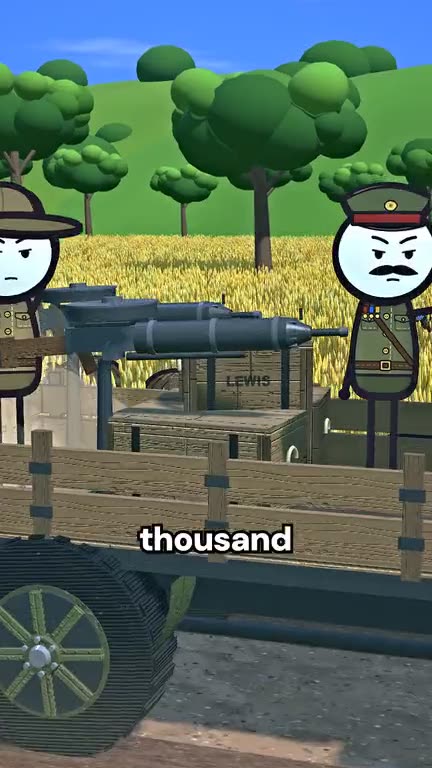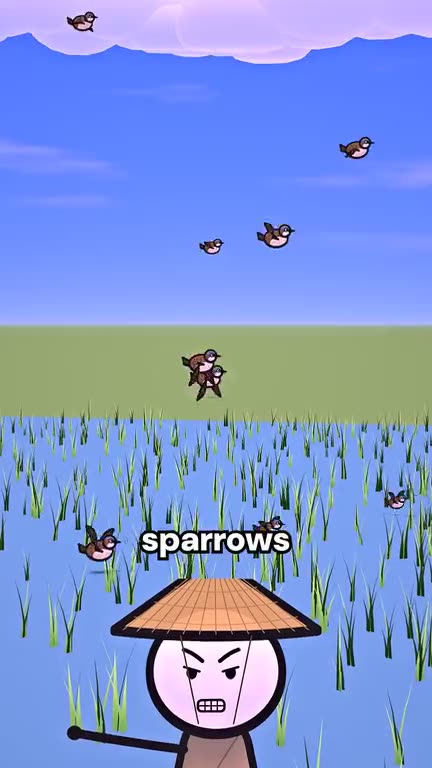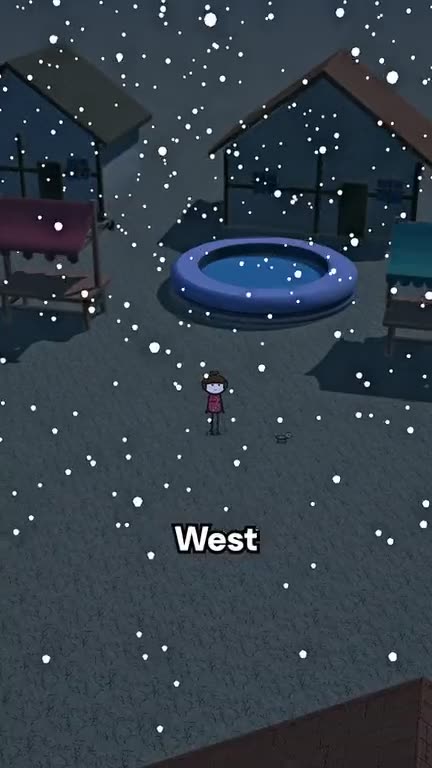
A channel of animated stories does not need a face, a camera or an editor. It does need a few decisions made up front. This is the checklist we would use ourselves.
Pick a narrow niche
“Interesting facts” is too wide. “Absurd wars and failed campaigns”, “strange laws of the past” or “inventions that went wrong” give a viewer a reason to subscribe: they know what the next video will be.
Keep one format
Same length, same narrator voice, same caption style in every video. Recognisable repetition is what turns a viewer into a subscriber. In OPUS, set the voice, captions and tone once and keep them.
Post on a rhythm you can hold
Consistency matters more than volume. Choose a schedule you can sustain for months and plan topics a week ahead.
Write titles like hooks
The title and the first line of the script do the same job: promise a picture and a question. Avoid clickbait you cannot pay off in the video.
Label AI content
YouTube, TikTok and Instagram ask creators to disclose realistic AI-generated or altered content. Cartoon stories are usually clearly animated, but read each platform’s current rules and use their labels when they apply.
Check facts and rights
AI can make mistakes, so verify the facts of every story before publishing. Do not portray real living people in a defamatory way. The videos you make in OPUS are yours to publish and monetise under our Terms.
Measure, then double down
After the first twenty videos, look at which topics held viewers to the end. Make more of those, and drop what does not work.